
Greywater Systems
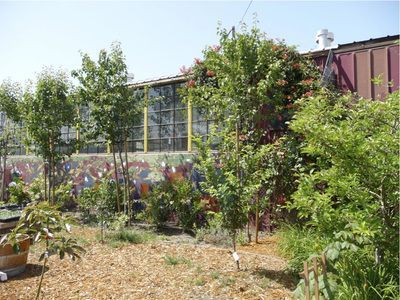
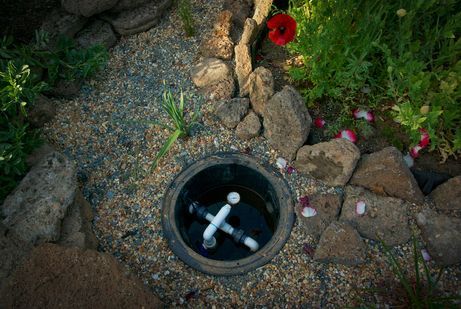
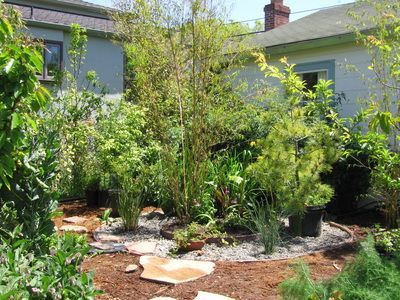
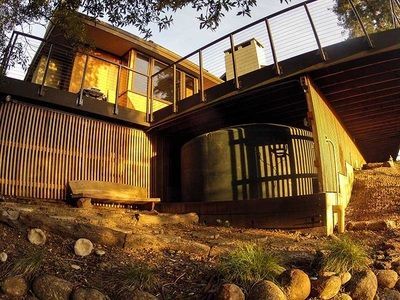
Greywater Systems Designed for Efficient Water Reuse
An average home can produce more than 30,000 gallons of greywater each year from sources like showers, laundry, bathroom sinks, and bathtubs. Instead of sending that relatively clean water back to the sewer, a properly designed greywater system can safely re-use it for outdoor irrigation and select indoor applications.
Dig Cooperative provides custom greywater system service throughout the Bay Area, helping homeowners reduce water use, support healthier landscapes, and rely less on potable water. From simple gravity-fed systems to advanced filtration systems, we design and install greywater systems Bay Area homeowners can use to irrigate trees, shrubs, vines, and other drought-tolerant plants while supporting long-term water conservation goals.
Popular Greywater Systems for Homes & Landscapes
We provide a range of greywater system options designed for different properties, landscape needs, and water reuse goals, including:
- Laundry-to-Landscape Systems — These laundry-to-landscape systems redirect wash water from clothes washers to outdoor irrigation. Most single-family systems do not require permits and offer an affordable way to conserve water.
- Gravity-Fed Mulch Basin Systems — Gravity systems send greywater into mulch basins that naturally filter and distribute water around trees, shrubs, and landscape areas while helping reduce overall water use.
- Pumped Drip Irrigation Systems — These pumped graywater irrigation systems move water through subsurface drip tubing for more controlled irrigation on larger landscapes or sites where gravity flow is not practical.
- Indoor Greywater Reuse Systems — Advanced water treatment and filtration systems, including the NSF 350 Certified AQUALOOP System, can treat shower water and sink water for approved indoor reuse applications like flushing toilets and washing laundry.
- Constructed Wetlands & Sensitive Site Systems — We design advanced wastewater treatment systems, including constructed wetlands, for properties near protected waterways or environmentally sensitive landscape areas.
Frequently Asked Questions
What is a greywater system?
A greywater system captures relatively clean wastewater from sources like showers, laundry, bathtubs, and bathroom sinks so it can be reused for outdoor irrigation or select indoor applications. These water systems help homeowners conserve water, reduce demand on municipal supplies, and make better use of the water already available on-site.
How much does a greywater reuse system cost?
The cost of a greywater system service depends on the type of system, property layout, permitting requirements, and whether pumps or advanced filtration systems are needed. Simple laundry-to-landscape systems are generally more affordable, while indoor reuse and advanced water treatment systems require a larger investment. Contact us for a site-specific evaluation and estimate based on your property and water reuse goals.
Is a greywater system worth it?
For many homeowners, a greywater system is a worthwhile investment because it helps reduce overall water use, lower the monthly water bill, and support long-term water conservation. These systems can also improve landscape resilience during drought conditions by providing a consistent source of recycled water for irrigation and outdoor use.
What can greywater be used for?
Greywater is commonly used for irrigation in landscapes, including trees, shrubs, and some non-edible plants. Depending on the system and local regulations, treated recycled water may also be used for flushing toilets or washing laundry. A properly designed greywater system helps homeowners safely use water that would otherwise go to waste.
Do greywater systems require permits?
Some greywater systems require permits depending on the source of the water and the type of reuse involved. We help homeowners navigate local municipality and permitting requirements during the design process.
Can greywater be combined with rainwater harvesting?
Yes. Greywater and rainwater systems often work well together as part of a larger water conservation strategy. While rainwater harvesting captures water from the roof, a graywater system reuses water already generated inside the home. Combining both systems can reduce reliance on municipal water and improve long-term landscape irrigation efficiency.